
Detailed Parameters
Basic Dimension Parameters
Door Panel Dimensions
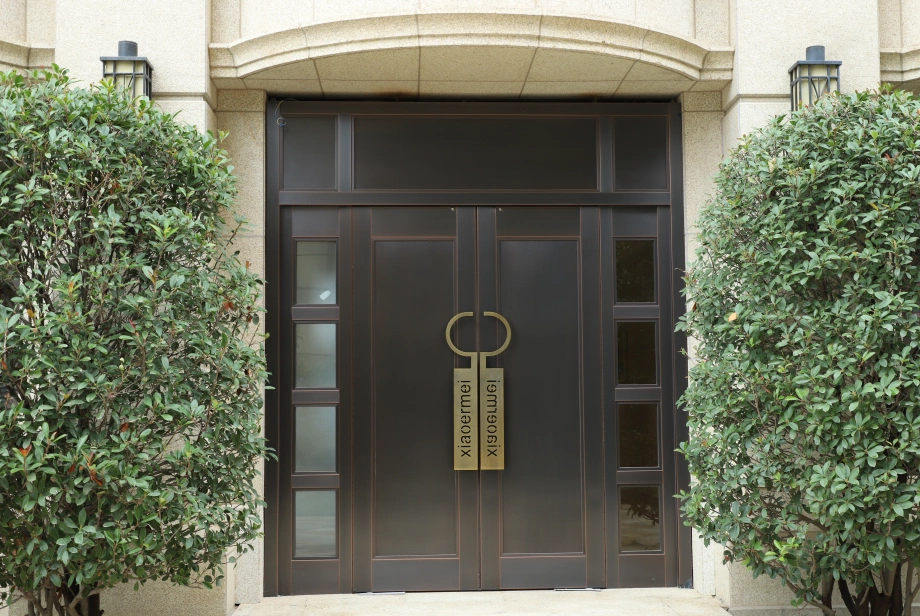
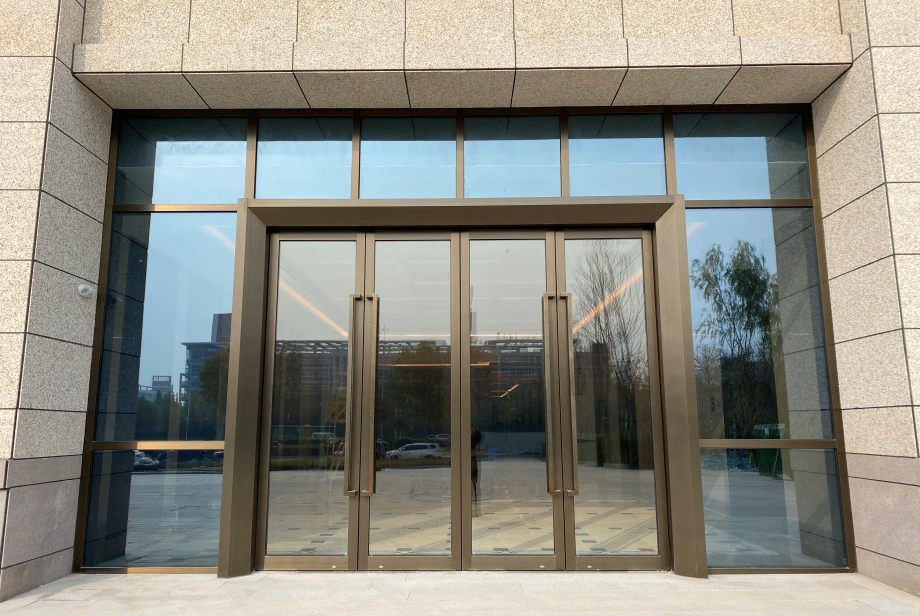
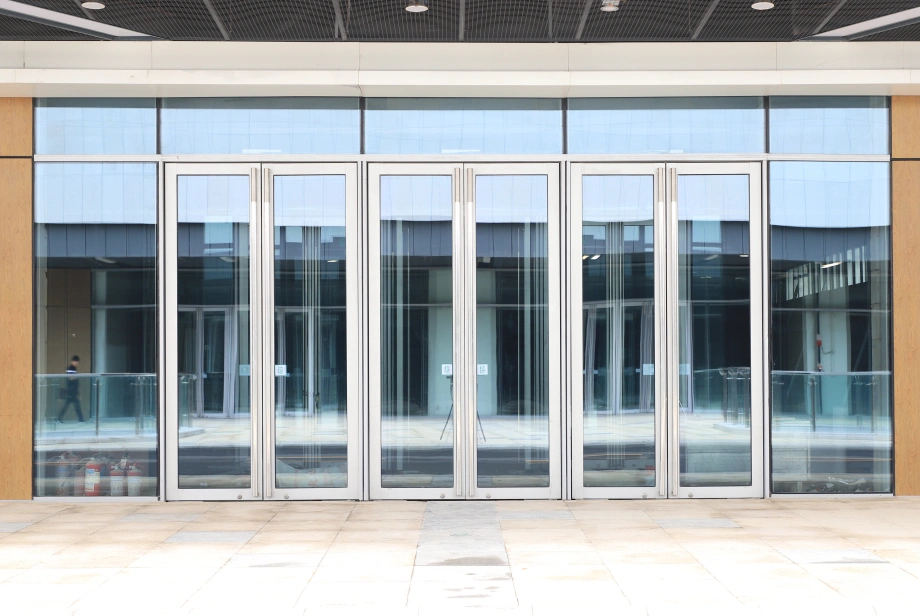
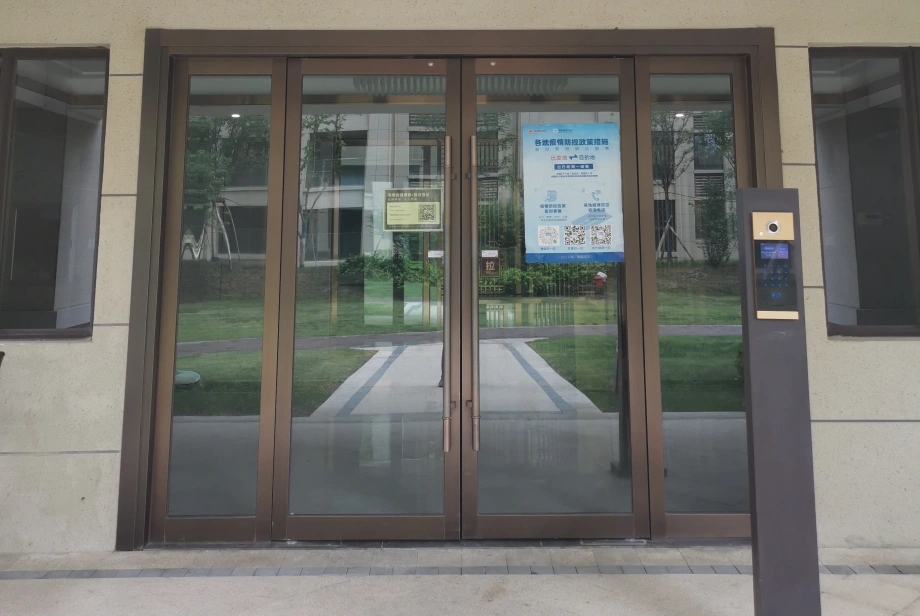
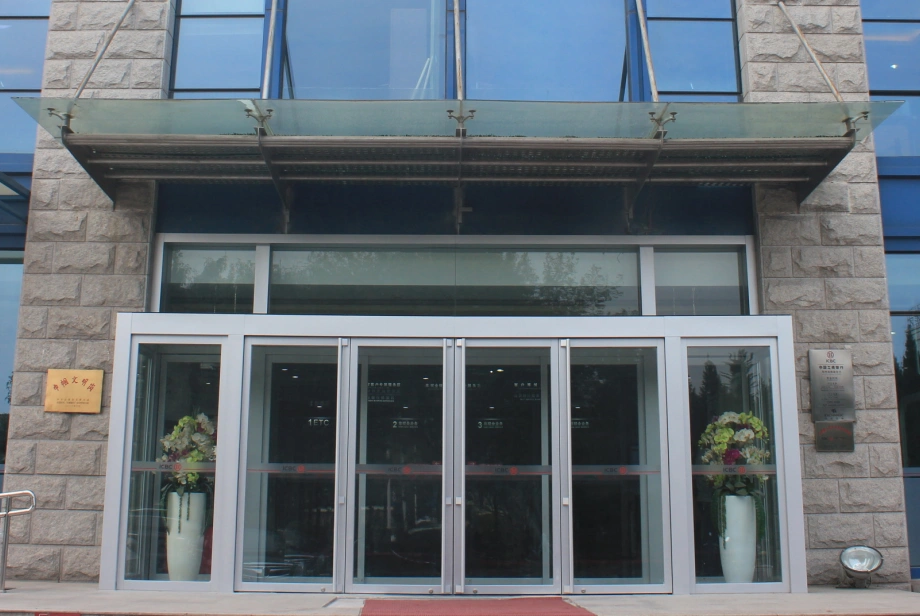
The width of a single door is typically 700mm-1000mm, and the height is 2400mm-3000mm; the total width of a double door is 1400mm-2000mm, which needs to match the opening size and passage requirements.
Door Panel Weight
The weight of a door suitable for a floor spring is usually 40kg-80kg; heavy-duty floor springs can bear 100kg-150kg, and the matching needs to be done based on the door panel material in advance.
Opening Angle
The maximum opening angle is ≥90°; some models support 180° bidirectional opening (such as the entrance door in shopping malls), meeting the flexibility of different scenarios for passage.
Performance Parameters
Closing Speed
Adjustable, usually 3s-8s (the entire process); some floor springs have “first-stage fast closing + second-stage slow closing” to avoid door-closing impacts.
Positioning Function
It has 0° (always open), 90° (positioning), and 180° (bidirectional positioning) positions; the deviation of 90° positioning is ≤±3°, ensuring the door panel stays stably.
Environmental Adaptability
Working temperature -20℃-50℃, surface protection grade ≥IP44; it can be used outdoors and in humid environments (such as bathrooms, corridors), avoiding internal parts rusting.
Core Materials
Door Panel Materials
Tempered Glass
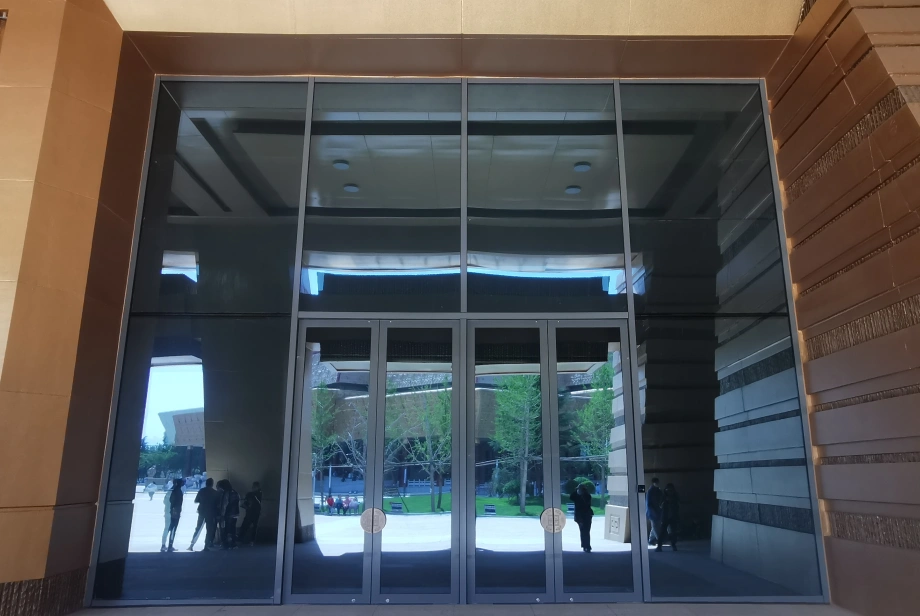
The most commonly used, with a thickness of 8mm-12mm (single pane) or 5+12A+5mm (double-pane); it has good light transmittance, and after breaking, it presents a granular state, with high safety.
Aluminum Alloy
Profile thickness 2.5mm, surface treated with high-temperature fluorocarbon spraying and anodization; it is lightweight, corrosion-resistant, suitable for office and commercial scenarios.
Sealing Materials
Edge of the door panel is equipped with three-component ethylene propylene diene monomer (EPDM) rubber strips, with a thickness of 3mm-5mm, enhancing sound insulation (sound insulation ≥25dB), dust prevention and heat insulation effects.
Door Frame Materials
Mostly aluminum alloy profiles (thickness 1.5mm-2.0mm) or stainless steel (304 material, thickness 1.2mm-1.5mm); the connection part between the door frame and the wall needs to be filled with foam, ensuring a firm and sealed installation.
Hardware features
Core Hardware – Floor Spring
Internal Structure
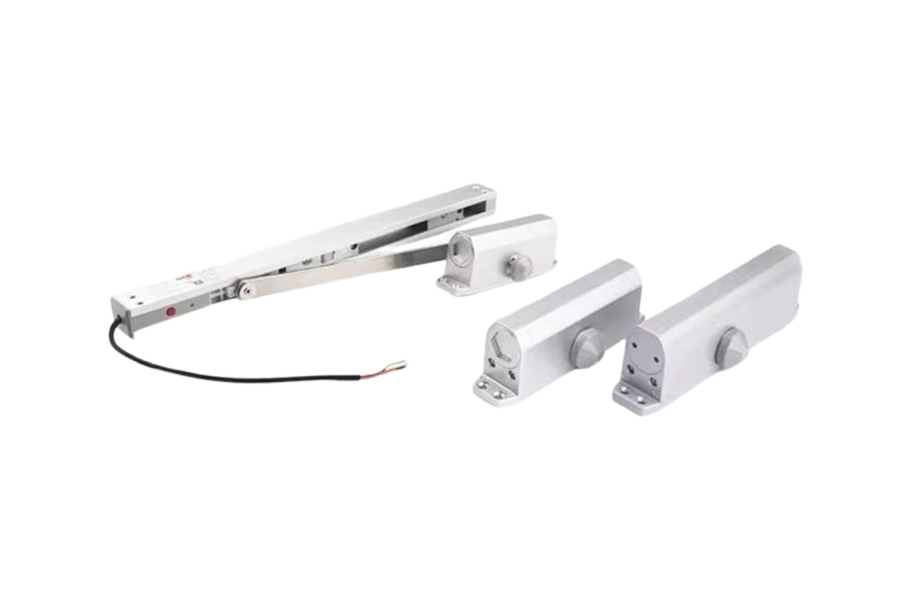
The core is a hydraulic damping mechanism, including a main shaft, piston, and spring components, controlled by hydraulic oil to control the closing speed; the service life is ≥50,000 times opening (standard usage scenarios).
Material Characteristics
The outer shell is mostly cast iron (surface galvanized or powder-coated for rust prevention) or zinc alloy (lightweight, high precision); the internal piston and main shaft use high-carbon steel (hardness ≥HRC50), wear-resistant and durable.
Installation Characteristics
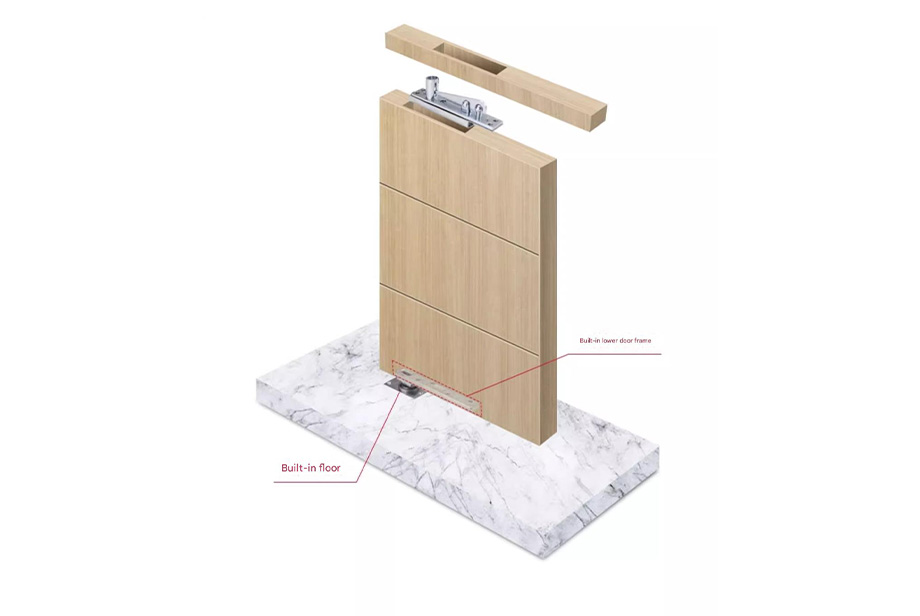
It needs to be pre-embedded in the ground (pre-embedding depth 120mm-150mm); during installation, it needs to be level with the ground, with an error of ≤±1mm; otherwise, it will affect the closing accuracy and lifespan.
Other Supporting Hardware
Door Clamps
Fix the glass door panel, made of aluminum alloy or stainless steel; the clamping thickness matches the glass (e.g., 5mm glass matches a 5mm slot width); the surface has anti-slip rubber pads to prevent the glass from loosening.
Handles
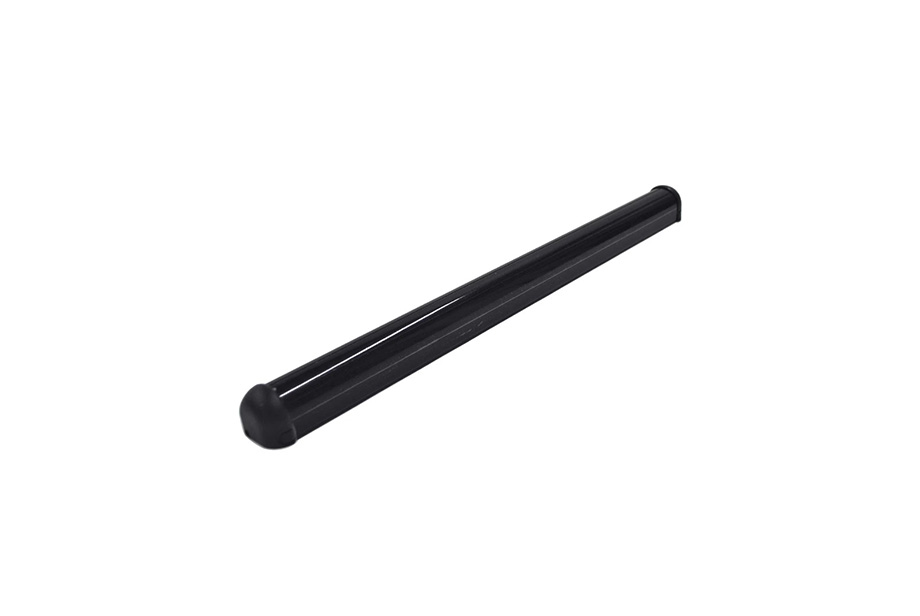
Made of stainless steel, aluminum alloy or zinc alloy, length 150mm-300mm, comfortable to hold, some have anti-collision design (e.g., round end); to prevent pedestrians from being injured by collision.
Limiters
Optional, installed at the bottom or side of the door panel, limiting the maximum opening angle to avoid door panel collisions with walls or other objects, protecting the door body and the wall.