Automatic doors, a door system that can be automatically opened and closed through induction, remote control, or manual triggering, have been widely used in various fields such as commerce, public facilities, industry, and residences due to their core advantages of convenient passage, high efficiency and energy saving, safety and hygiene. According to “functional requirements” and “usage environment”, their application scenarios can be divided into four core categories. The specific scenarios and adaptation logic are as follows:
Core Application Scenarios
Commercial and Retail Spaces (Efficient Passage + Brand Image)
Commercial scenarios have high requirements for “personnel circulation efficiency” and “space aesthetics”, and automatic doors can effectively enhance customer experience and brand texture, making them the most mainstream application field:
Large Commercial Complexes
- Applicable spaces: Main entrances of shopping malls/ shopping centers, supermarket entrances (without shopping cart passages), glass doors of brand specialty stores (such as luxury stores, electronic product stores).
- Adaptation logic: The daily passenger flow at commercial entrances can reach thousands of people. Automatic doors (mostly sliding automatic doors) can realize “opening when people come and closing when people leave” through infrared/radar induction, avoiding queuing congestion caused by manual door opening and improving passage efficiency. Full glass automatic doors can enhance the sense of spatial transparency and convey a high-end brand image in line with the store decoration style (for example, frameless glass automatic doors are commonly used in luxury stores to highlight minimalist design). The automatic doors at some supermarket entrances can be linked with the access control system, allowing only customers with shopping receipts to pass, reducing the risk of commodity theft.

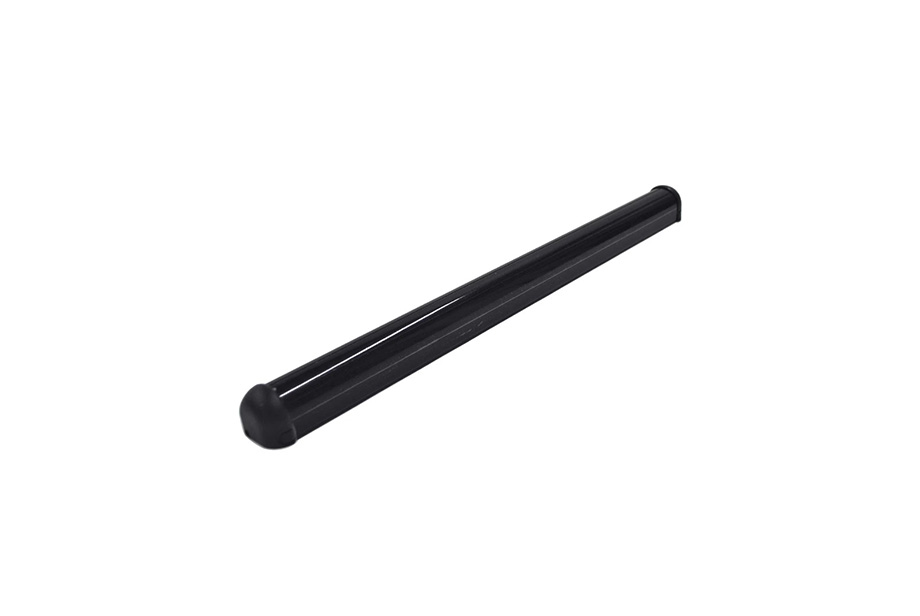
| Category name | Minimum order quantity | Dollar ladder price | unit | Grouping | Core keywords | Model | Country of origin | Outer packaging size | Gross weight KG | Shipped quantity | Estimated delivery time | Packaging method | Sample part |
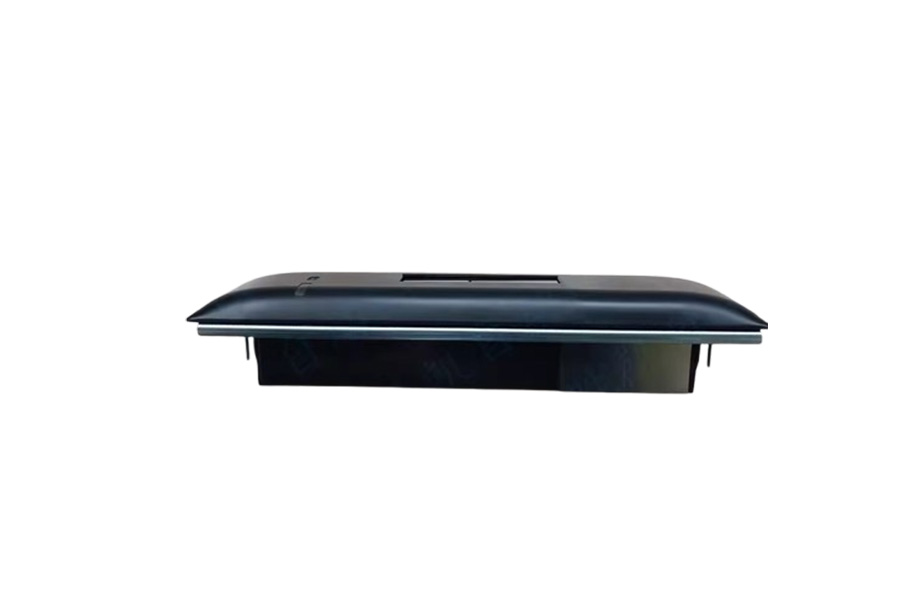
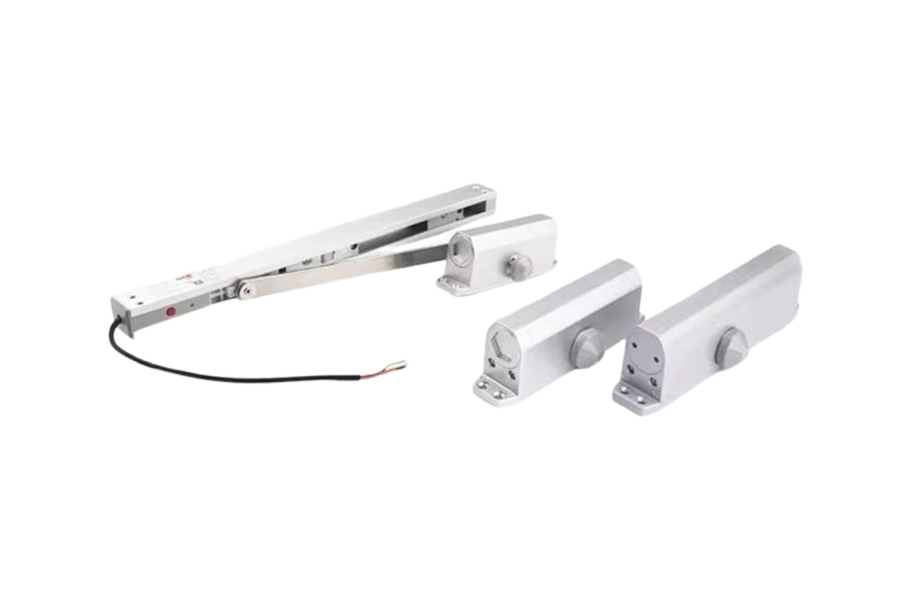
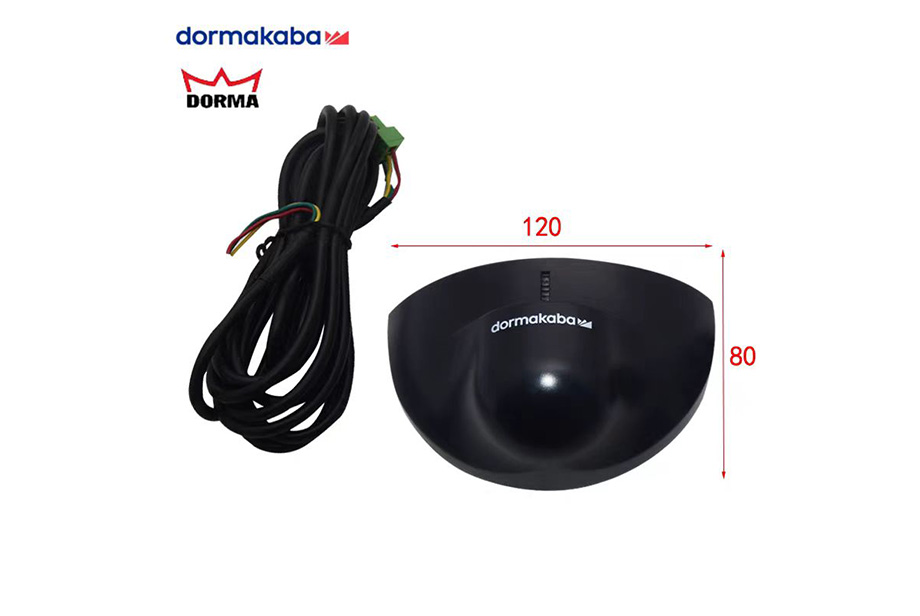
| Dormakaba DK120 | 2 | 500-520 | set | Dormakaba | Automatic door unit | BTS65 | China | 220*40*16cm, | 21 | 999 | 10 | cartons | Not supported |
| Dormakaba ES200 | 2 | 1690-1700 | set | Dormakaba | Automatic door unit | BTS75 | China | 220*40*16cm, | 21 | 10 | cartons | Not supported |
Catering and Service Industries
- Applicable spaces: Entrances of chain restaurants (such as McDonald’s, Starbucks), partition doors of private rooms in high-end restaurants, revolving doors/sliding doors in hotel lobbies, automatic doors at food pickup ports of milk tea shops.
- Adaptation logic: Frequent door opening and closing are required in catering scenarios (customers entering and leaving, waiters delivering meals), and automatic doors can reduce hand contact and lower the risk of cross transmission of bacteria (especially in the post-epidemic era). Revolving automatic doors are commonly used in hotel lobbies, which can not only realize two-way passage but also reduce the exchange of hot and cold air between indoor and outdoor (saving energy with the air conditioning system) and enhance the high-end tone of the hotel at the same time. The automatic doors at the food pickup ports of milk tea shops and fast food restaurants (mostly inductive swing doors) can be opened through “food pickup code triggering” or “employee remote control” to avoid crowding during food pickup.

Key Application Scenarios: Public Facilities and Medical Spaces (Safety and Hygiene + Barrier-Free)
Public facilities and medical scenarios have mandatory requirements for “safety, accessibility, and hygiene”, and automatic doors are key configurations to meet these needs:
Medical and Health Scenarios
- Applicable spaces: Entrances of hospital outpatient buildings, ward doors of inpatient departments, passage doors of operating rooms, partition doors at registration points of vaccination sites, barrier-free passage doors of nursing homes.
- Adaptation logic: Strict control of bacterial transmission is required in medical scenarios, and inductive automatic doors (non-contact opening) can reduce the contact between medical staff and patients’ hands and the door body, reducing the risk of cross-infection. The automatic doors of operating rooms and ICUs need to have the function of “sealing and anti-bacteria” (mostly sliding sealed automatic doors), cooperate with the purification system to maintain a sterile environment indoors, and can be opened through foot induction or face recognition to avoid hand contamination of medical staff. The automatic doors of nursing homes and rehabilitation centers need to be adapted to the passage of wheelchairs and stretchers, and the opening width of the door body is larger (usually ≥ 1.2m), and the door closing speed can be adjusted (slow buffering) to prevent pinching the disabled.
Public Services and Transportation Hubs
- Applicable spaces: Gate doors at subway stations/railway stations, automatic doors at check-in areas/security checkpoints in airport terminals, entrances of government affairs halls (such as tax bureaus, social security centers), partition doors of exhibition halls in libraries/museums.
- Adaptation logic: The passenger flow at transportation hubs is extremely large (such as the morning and evening peaks of subway stations), and fast induction automatic doors (opening response time < 0.5 seconds) can meet the needs of high-frequency passage, and the door body has a buffering function when closing to avoid pinching passengers during crowding. Government affairs halls and libraries need to take into account “convenience” and “quietness”. The noise of automatic doors is low (≤ 50 decibels) during operation, and the “normally open door mode” can be set (such as during peak office hours) to enhance the experience of the masses in handling affairs. The automatic partition doors of museums and exhibition halls can be opened through “human body induction” or “scan code opening”, which can not only guide tourists’ visiting routes but also protect exhibits (avoiding people entering at will).
Featured Application Scenarios: Industrial and Special Functional Spaces (Durability + Customization)
Industrial and special scenarios have special requirements for the “durability, anti-interference, and custom functions” of automatic doors, which need to match specific environmental needs:
Industrial Production Scenarios
- Applicable spaces: Entrances and exits of factory workshops (such as automobile production lines, dust-free workshops in electronic factories)