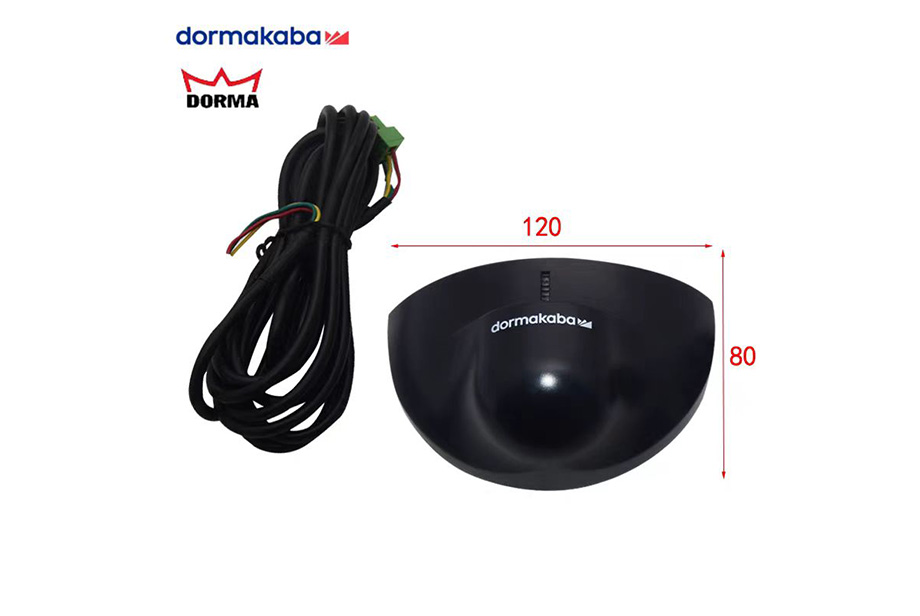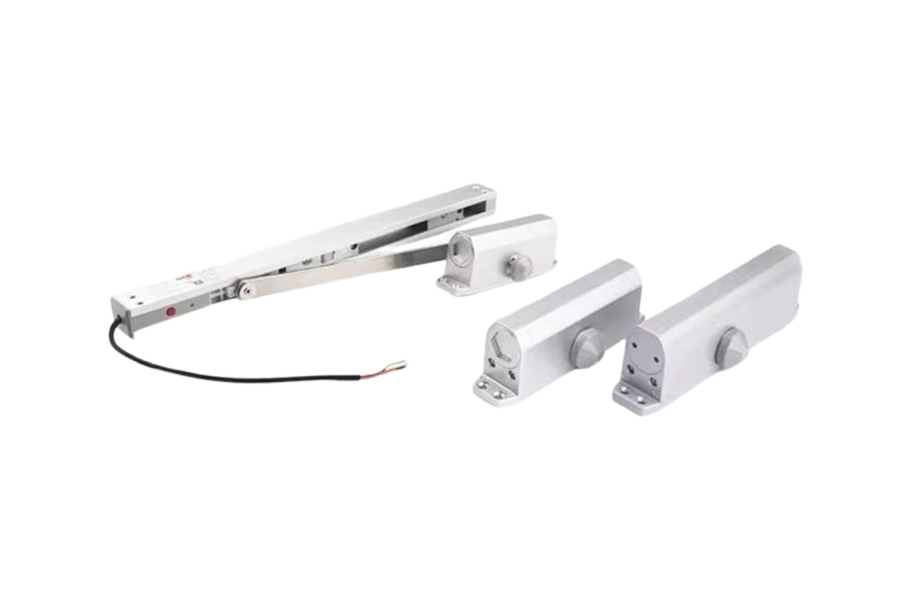
Medical institutions install automatic sensor doors to strengthen the defense line for patient safety and service quality.
Reduce the risk of cross-infection
The automatic sensing feature eliminates the need for manual contact, preventing the spread of germs caused by patients, family members, and medical staff through contact with door handles. This meets the strict hygiene requirements of medical institutions and creates a safer environment for patients and doctors.
Ensure efficient medical passage
In scenarios such as pushing hospital beds, wheelchairs, and medical equipment, the automatic sensing door can open and close quickly, avoiding congestion at entrances and exits, ensuring smoothness in critical medical processes such as emergency treatment and patient transfer, and adapting to the tight medical treatment schedule.
Stabilize medical environment parameters
The characteristic of the sensing door’s rapid opening and closing can minimize the leakage of air conditioning cold air or heating, helping to maintain stable temperature and humidity in areas such as examination rooms and wards, meeting the strict temperature control standards of the medical environment, and reducing energy consumption costs.
Optimize the convenience of medical treatment
Patients and family members carrying checklists and medicines with both hands, or elderly people and pregnant women with limited mobility, can easily enter and exit without having to remove their hands, using details to alleviate the inconvenience during the medical treatment process and conveying humanistic care.
Balance safety and management needs
Most automatic sensing doors are equipped with anti-collision and emergency braking functions to avoid safety hazards during passage; they can also be linked to the access control system to control entry and exit in special areas such as operating rooms and ICUs, balancing the openness and convenience with medical safety.